

Veterans’ Disability Benefits Assistance in Charleston Serving West Virginia, Ohio, Kentucky, and Virginia
You May Be Eligible for More Than One Type of Disability Benefit
Many veterans come to us focused on one benefits system, only to find out there may be another piece of the picture. If your medical condition now keeps you from working, VA disability compensation may not be the only benefit worth looking at. In some situations, you may also qualify for Social Security disability benefits.
That does not mean the programs work the same way. VA disability compensation and Social Security disability use different rules, different standards, and separate applications. A veteran can qualify for both, but each claim still has to be built and handled on its own terms. Our role is to help people understand where those systems overlap, where they do not, and what needs to happen next.
VA Disability and Social Security Disability Are Different Claims
VA disability compensation is based on service-connected conditions and VA’s disability-rating system. Social Security disability works differently. It is not based on whether an illness or injury was connected to military service. Instead, Social Security looks at whether the condition keeps you from working at the substantial gainful activity level and whether it meets the program’s duration rules. Veterans must apply separately for VA disability and Social Security disability because the rules are different.
How We Help Veterans With Social Security-Related Disability Questions
- review how VA disability, SSDI, SSI, and retirement may overlap in your situation
- organize medical records and provider information that matter to the Social Security claim
- build a work-history timeline that fits the way Social Security evaluates past work
- identify whether SSI income and resource issues may need attention
- keep track of follow-up requests, notices, deadlines, and appeal stages
- help you understand what still needs to be documented if the claim is weak or incomplete
VA disability usually does not reduce SSDI or Social Security retirement, but SSI can change
VA disability compensation usually won’t reduce an SSDI check. It also doesn’t change how SSA calculates your Social Security retirement benefit, since retirement is based on your earnings record and SSA’s formula.
SSI works differently because SSI is needs-based. VA disability compensation is generally treated as unearned income for SSI decisions, so VA pay can change SSI eligibility or the monthly SSI amount.
When SSI may be involved, we focus on a few items that cause the most problems:
-
VA payment changes and the dates they changed
-
Where you live and who pays for food and housing
-
Bank balances that stay above a limit, not just a one-day spike
Bring your latest award letters and a recent bank statement. Those two items help us start with today’s numbers, not old numbers.
Your VA Rating and Your Social Security Amount Are Not the Same Thing
A VA disability rating does not determine the amount of a Social Security benefit. Social Security looks at your earnings history when calculating retirement and disability benefits. That is why two veterans with the same VA rating can end up with very different Social Security amounts.
We can help people look at their earnings record, understand what work history matters, and see how that fits with the Social Security side of the case.
Some Cases May Qualify for Faster Handling, But Proof Still Matters
If you qualify for expedited handling—such as SSA’s military/veteran priority processing pathways—we help you gather the proof and submit it cleanly.
This step can also make sense when money or housing problems require faster handling. SSA has critical case procedures for situations involving an immediate threat to health or safety—such as lacking food, medicine, or medical care. We help you gather proof that fits the standard and documents the risk clearly.
For VA claims, you can request priority processing for qualifying situations (including extreme financial hardship). We help you pick the strongest supporting documents and label them in a simple order to reduce back-and-forth.
Common proof items we organize for hardship requests include:
-
Eviction, foreclosure, or shelter papers
-
Utility shutoff notices
-
Medical bills and pharmacy receipts
-
Proof of job loss or a sharp income drop
For PTSD cases, VA benefits generally turn on establishing service connection and then applying the VA’s mental-health rating levels (0% through 100%) that drive compensation [1].
Years Of Experience Getting Benefits For Veterans
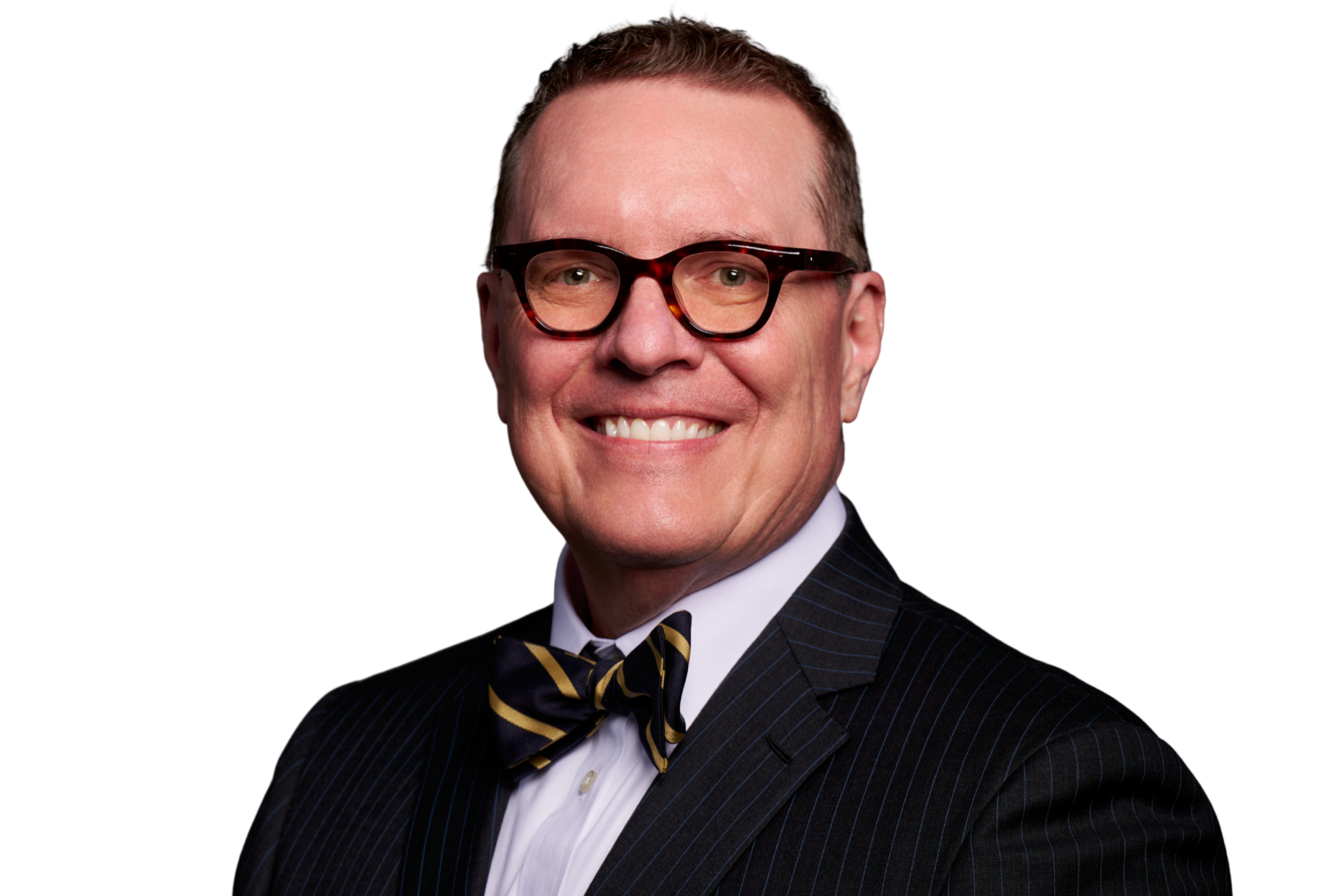
At Shawn Taylor, PLLC, in Charleston, West Virginia, we are proud of our track record of helping deserving veterans get the benefits that they are owed under the law. Managing lawyer Shawn Taylor is a former municipal judge and assistant attorney general who focuses exclusively on Social Security law. Over his career, he has helped thousands of claimants obtain SSDI benefits, many of whom served in the armed forces.
If you work with us, Shawn Taylor will be the lawyer who represents you at the disability hearing; you will not be pushed off to a less experienced lawyer.
How Communication Works With Our Office
When someone is dealing with VA records, Social Security notices, treatment updates, and possible deadlines in more than one system, communication matters. In many cases, there is no need to travel to the office to get started. We use reliable phone communication, electronic forms, video when useful, and secure encrypted messaging through Case Status.
Case Status plays a central role in communication because it is often faster and more reliable than voicemail, missed calls, or phone tag. Messages are documented, staff can respond efficiently, and Shawn personally reviews client communication.
Frequently Asked Questions About VA Disability And SSDI Benefits
Here are some common questions about receiving both VA disability and Social Security Disability Insurance (SSDI) benefits:
How does eligibility differ for VA benefits vs. SSDI?
VA disability benefits are available to veterans with service-connected injuries or illnesses. These benefits can range from 0% to 100% disability, meaning you don’t need to be fully disabled to receive compensation. On the other hand, SSDI is available to individuals who have paid into Social Security and meet work credit requirements. For SSDI, you must have a total disability that prevents any substantial gainful activity (SGA) and is expected to last at least 12 months or result in death.
Can I apply for both VA disability compensation and SSDI at the same time?
No, you have to apply separately. VA disability compensation and SSDI are two distinct programs. Even though both benefits provide financial support to those with disabilities, the eligibility criteria, administration and application processes differ. VA disability benefits are provided based on injuries or illnesses linked to military service. In contrast, SSDI is based on your work history and requires that you have earned enough work credits by paying into Social Security through payroll taxes.
While the application processes are separate, receiving VA disability benefits does not disqualify you from SSDI, and vice versa. You can receive both if you meet the criteria for each program. Veterans who qualify for both can maximize their benefits by applying for both programs at the same time.
Will my VA disability affect my Social Security retirement benefits in Charleston, West Virginia?
No. VA disability compensation does not reduce Social Security retirement benefits because Social Security retirement is based on your earnings record and SSA’s benefit formula.
Am I eligible for expedited claim processing?
Veterans who have a 100% Permanent and Total (P&T) VA disability rating are eligible for expedited processing of SSDI claims. Additionally, the Social Security Administration has initiatives like the Wounded Warriors program, which allows veterans who sustained injuries while on active duty to have their claims processed faster. Programs such as Compassionate Allowances and Quick Disability Determinations also provide faster decisions for veterans with certain conditions, making sure that they receive benefits as quickly as possible.
Contact Shawn Taylor, PLLC Today
If you are receiving VA disability compensation, thinking about filing for Social Security disability, or trying to understand whether SSI may also be part of the picture, it helps to get clear guidance before more time passes.
Call our office in Charleston, West Virginia, at 855-969-4648 or email us today to get started. We are available 24/7, so you can call us immediately. We respond promptly to emails. Our law office serves clients in West Virginia, Kentucky, Ohio, and Virginia.
[1] Veterans Benefits for Post-Traumatic Stress Disorder in the United States. “Veterans benefits for post-traumatic stress disorder in the United States.” Wikipedia. https://en.wikipedia.org/wiki/Veterans_benefits_for_post-traumatic_stress_disorder_in_the_United_States