

SSD Appeals Representation in Charleston, West Virginia
Do Not Give Up On Your Disability Claim
The first time you apply for disability benefits, chances are it will be denied. Initial applications have a high denial rate – around 80%, according to the Social Security Administration. This does not mean your claim is no longer worth pursuing. You still have several opportunities to make your case through the Social Security Disability (SSD/SSDI) appeals process.
If you didn’t have a lawyer for your initial application, now is the time to get one. You don’t want to further jeopardize your case by botching your appeal.
At Shawn Taylor, PLLC, we have helped thousands of SSD claimants successfully appeal their initial denied claim. Based in Charleston, our lawyer has devoted his career to helping people with disabilities get the Social Security benefits they deserve. He has more than 30 years of experience. Call us at 855-969-4648 and schedule a free consultation to discuss your options for an appeal.
Four Steps In Appealing An SSD Denial
There are four levels of appealing a denied Social Security Disability benefits claim. They are:
- Reconsideration by a different examiner
- Hearing before an administrative law judge
- Social Security Appeals Council
- Federal district court review
A request for reconsideration is the first step in appealing a denied claim, without you submitting any other evidence besides any updates to your medical condition. Your application will be reviewed by another employee of the Social Security Administration.
The hearing before an administrative law judge (ALJ) is the best chance to get benefits on appeal. The hearing is a meeting with an administrative law judge who will ask you questions about your health, medical conditions and work limitations. It is a chance to meet face-to-face with someone and provide evidence for your eligibility.
The appeals council will is the next level for appealing a denial from an administrative law judge. The council can either deny a request for review, decide your case on its own or send it back to an administrative law judge for review.
The final step is review in federal district court, which involves much more complicated procedures. It’s difficult to get a disability decision overturned in court.
The SSD Appeals Process Can Be Tricky
You only have a limited window of time to appeal a denial at each stage in the process. There are nuances to how best to present your case at each level of appeal. Additionally, there are different standards that decision-makers on appeal must apply when reviewing your case.
Because of these challenges, it’s critical to work with a lawyer who truly understands Social Security Disability law, including the appeals process.
Get answers to common questions about SSD appeals.
Appeal levels and deadlines are mapped after a disability denial
A denial letter can stop you in your tracks, especially when you’re dealing with treatment, pain, fatigue, or a mental-health condition that makes paperwork hard. We confirm which appeal level fits your notice type and track the filing window so you don’t lose appeal rights.
Reconsideration appeals are rebuilt with new records and clear forms
After the first denial, many people start with reconsideration. We rebuild the file with updated records and make sure the appeal forms match your medical timeline and work history. The goal is a record that is easy for an examiner to follow and hard to misunderstand.
Medical evidence and work limits are organized to match SSA rules
The best appeal records show functional limits, not just diagnoses. We focus on what you can and can’t do day to day: standing, walking, lifting, using your hands, staying on task, keeping pace, and attendance reliability. Then we organize your records into a simple timeline that supports those limits.
ALJ hearing prep follows the five-day evidence rule and hearing format
The hearing stage requires early prep and tight deadlines. SSA can refuse to consider evidence submitted too late, so we plan ahead for record requests and submit evidence early under the five-business-day evidence rule. If records arrive late despite diligent effort, we document the reason and submit what the rules allow.
We also plan your hearing option, whether in person, by phone, or by video, and we prepare you for the format SSA uses. SSA also sends a “Notice of Ways to Attend a Hearing” explaining how you can appear.
Hearing representation manages testimony, experts, and the judge’s questions
ALJ hearings can include a vocational expert and sometimes a medical expert. We prepare you to testify with clear examples of pain, fatigue, and focus limits, and we handle expert questioning about past work and other jobs by using the medical record and your work history.
Compassionate Allowances and higher reviews are used when speed or errors matter
Some cases can move faster through Compassionate Allowances (CAL) when the diagnosis matches SSA’s CAL list. If that applies, we make the proof easy to find in your file and align the medical wording to the CAL condition name. You can see SSA’s CAL condition list here.
If a hearing decision is wrong, we explain Appeals Council options and the next steps, especially how SSA counts deadlines and what the Appeals Council can (and can’t) do on review.
A Former Municipal Judge And Respected Social Security Lawyer On Your Side
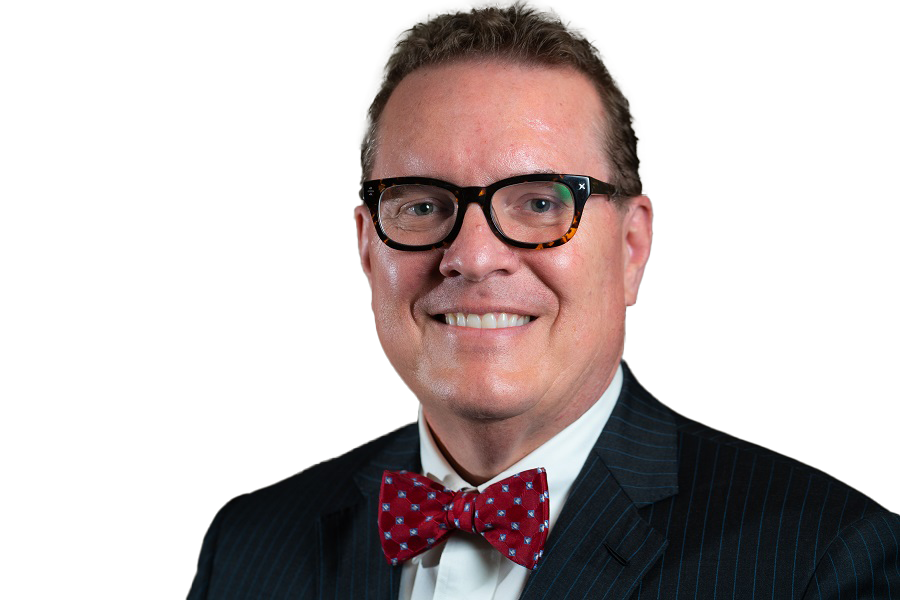
At Shawn Taylor, PLLC, you will receive hands-on, personalized help from a knowledgeable advocate. You can meet personally with Shawn Taylor, at your request, who will argue your SSD appeal at all levels. A former municipal judge and assistant attorney general, he is comfortable in legal proceedings of all types. And unlike many Social Security law firms, he is ready to take deserving cases all the way to a federal court review.
Ready To Stand Beside You In All Hearings
Many disability lawyers won’t actually appear at the ALJ hearing, which is a shame because that is your best shot at getting a denial overturned. Mr. Taylor will be at all hearings, including the ALJ hearing, to serve as a powerful advocate and ally for you. He can also handle obtaining all the detailed documentation necessary to support your appeal.
Call Us Today And Get Started On Your Appeal
We offer a free initial consultation so you can get professional guidance on your options for appeal. Please call us at 855-969-4648. You can also reach us online, and we will respond within one business day. We handle SSD appeals throughout West Virginia, Kentucky and Ohio. We offer both in-person and virtual conferences with our attorney, and you can also use virtual meeting apps to attend your court hearings.
FAQs
Should you start with reconsideration after an SSD denial in Charleston, West Virginia?
Yes, you should usually start with reconsideration after an SSD denial, and you generally have 60 days to file the appeal.
How long can your SSD appeal take in Charleston, West Virginia?
Your SSD appeal can take several months, and if you need an ALJ hearing, it can take a year or longer, depending on scheduling and backlog.
What evidence helps most for your ALJ hearing in Charleston, West Virginia?
The evidence that helps most is updated medical records, recent test results, and clear documentation of your functional limits, like standing, walking, lifting, concentration, and attendance, and it helps to submit it as early as possible, ideally at least 5 business days before the hearing.
Do SSD appeals succeed more often than the first decision?
Yes, SSD appeals can succeed more often than the first decision, especially at the hearing level, but results vary by case and by appeal stage.
Can Compassionate Allowances speed up your Charleston, West Virginia case?
Yes, Compassionate Allowances can speed up your case when your condition is on SSA’s list, and your records include strong medical proof of the diagnosis.