


Qualifying for Disability Benefits with Heart Disease
Heart Disease and Work: A Heavy Burden
Heart disease is a leading cause of disability in the United States. In West Virginia, high rates of obesity, smoking and limited access to health care contribute to elevated rates of cardiovascular disease. Chronic heart conditions can make even daily activities exhausting. If your heart disease prevents you from holding a job, you may be eligible for Social Security Disability benefits.
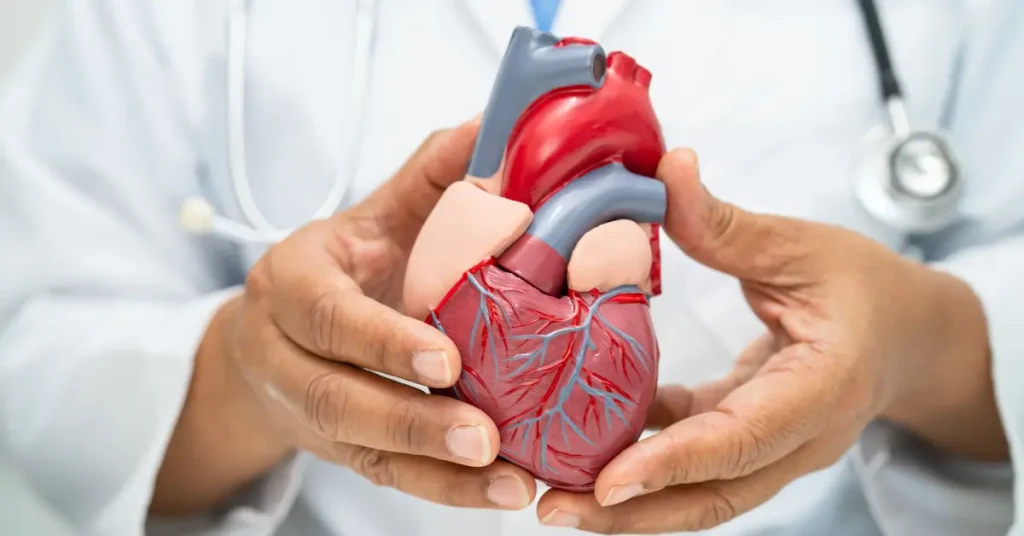
SSA’s Cardiovascular Listings
The SSA’s Blue Book includes several listings for heart disease. To qualify automatically, your condition must meet specific criteria.
- Listing 4.02 – Chronic Heart Failure: Requires medical documentation of systolic or diastolic heart failure with an ejection fraction of 30% or less, inability to perform an exercise tolerance test at a workload of 5 METs or less, or three or more episodes of heart failure hospitalization within 12 months.
- Listing 4.04 – Ischemic Heart Disease: Applies to coronary artery disease causing chest pain or shortness of breath. You must show evidence of significant obstruction in major coronary arteries or poor exercise test results despite optimal medical therapy.
- Other cardiovascular listings: Recurrent arrhythmias, congenital heart disease, chronic venous insufficiency and peripheral arterial disease each have specific criteria, including electrocardiogram (ECG) findings, Holter monitor results, imaging, and persistent symptoms.
- Heart transplants: If you have had a heart transplant, you are considered disabled for one year after the procedure, after which SSA evaluates any remaining limitations.
Meeting or Equaling a Listing
Meeting a listing requires strict adherence to the criteria. Many claimants do not meet them exactly. In these cases, you can still be approved by equaling a listing: demonstrating that your symptoms, clinical findings and limitations are equivalent in severity to those in the listing. For example, if your ejection fraction is 35% but you have frequent hospitalizations and cannot perform minimal exertion, your condition may equal Listing 4.02.
Diagnostic tests and records necessary include:
- Echocardiogram or cardiac MRI showing reduced ejection fraction.
- Cardiac catheterization reports documenting blocked arteries or valve problems.
- Exercise tolerance tests that are terminated early due to low blood pressure, arrhythmias or severe fatigue.
- Hospital records for episodes of acute decompensated heart failure, arrhythmia or chest pain requiring intervention.
Medical‑Vocational Allowance
If you don’t meet or equal a listing, SSA will assess your Residual Functional Capacity (RFC). Heart disease can cause shortness of breath, fatigue, dizziness and chest pain. Medications like beta blockers, diuretics and anticoagulants may cause side effects such as dizziness or frequent urination. Your RFC must reflect how often you need to rest, how much you can lift and how long you can stand or walk. If you cannot perform even sedentary work due to fatigue, inability to sit upright, or risk of arrhythmias, you may be found disabled.
Gathering Evidence and Applying

- Work closely with a cardiologist. Regular visits, compliance with medication, and participation in cardiac rehabilitation show your efforts to improve.
- Obtain detailed medical reports. Ask your doctor to write a statement describing your diagnosis, prognosis and functional limitations. Include results of echocardiograms, stress tests, catheterizations and ECGs.
- Track symptoms. Keep a log of episodes of shortness of breath, swelling (edema), chest pain, dizziness and fainting. Note how long episodes last and how they interfere with daily tasks.
- List hospitalizations. Provide dates, diagnoses and treatment received for each hospitalization related to your heart condition.
- Describe work limitations. Explain how you cannot perform previous job duties. For example, if you were a delivery driver in Beckley, you might not be able to carry packages up hills or climb stairs due to shortness of breath.
Local Considerations
West Virginia has regional heart centers in Charleston, Huntington and Morgantown, but many rural residents must travel long distances. Limited access to specialists can delay diagnosis and treatment, so you should keep records of travel times and missed appointments due to transportation issues. Participation in cardiac rehabilitation programs, often offered by local hospitals, demonstrates your commitment to recovery and provides documented measurements of your exercise tolerance.
Appeals and Hearings
If SSA denies your claim, you can appeal. At the hearing, a vocational expert will testify about jobs available for someone with your limitations. Your attorney can argue that the unpredictability of heart failure episodes or arrhythmias makes sustaining employment impossible. They may also present evidence that repeated hospitalizations or emergency room visits would cause excessive absences.
Conclusion
If heart disease has stolen your ability to work, you deserve financial support. Shawn Taylor PLLC has experience representing West Virginians with heart conditions. We will gather your medical records, work closely with your cardiologists and build a strong case to help you secure SSDI or SSI benefits. Contact us today for a free consultation.